Friday, 16 August 2019

Garden invader

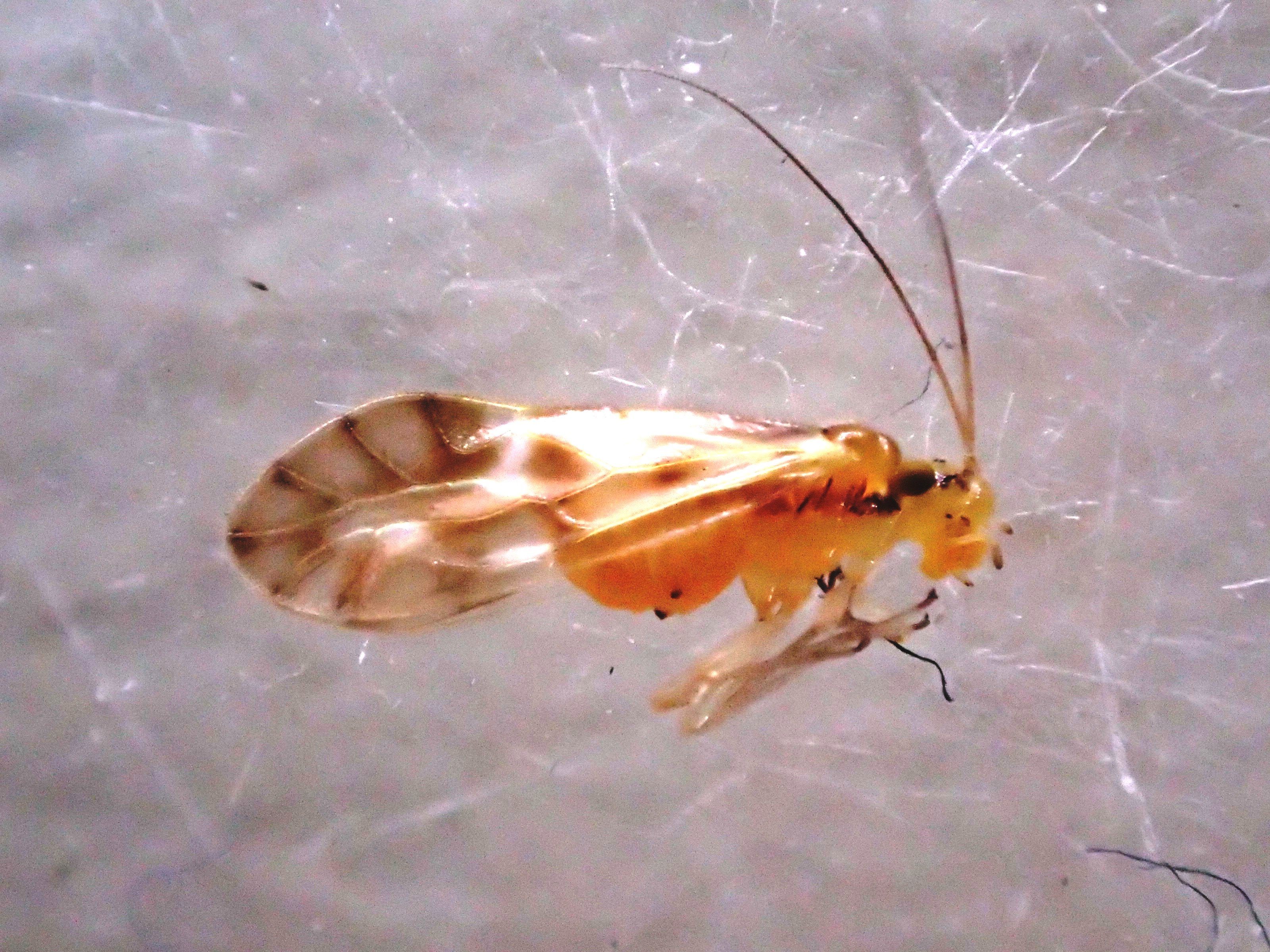
I paid a visit to BH who pan-lists his Orkney garden on Burray. I managed to add at least one species to his garden list finding a nest of the ant Myrmica ruginodis. There were lots of larvae of the Devil's Coach Horse Staphylinus olens and I glimpsed but dipped on the hoverfly Cheilosia bergenstammi. A bit of bush bashing of some Downy Birch produced this interesting Psocopteran which BH had also found in the house a few days previously.

Image 
Chilenocaecilius ornatipennis  (a barkfly - not Diptera, Psocoptera) Photo Barrie Hamill.

 The species was first found in Ireland in 2015 and has subsequently been located at a few locations across the UK, most likely it is now quite widespread but (being tiny, and being of an obscure order of beasts) is rarely recorded. Anyway I quickly found two in the net. The species is native to Argentina and Chile. https://www.brc.ac.uk/schemes/barkfly/homepage.htm  
Anyway useful to find in the garden as it proves the original one didn't just come in with the shopping or escape from BH's car.


Update, a bit of bush bashing in my own garden on West Mainland has revealed the species (I think) here, need to check, but it looks good.


Found on both Ash and on Wych Elm -
Chilenocaecilius ornatipennis
We had kicked off emptying BH's Heath trap and I was very pleased to see White-line Dart, a new species for me.


 Two were in the trap.

Note orange on third attennal segement making this
Haematopota pluvialis rather than crassicornis.

We looked at various other Dipterous things and I tried my best to turn this Platycheirus manicatus into tarsalis, to no avail.

 Platycheirus manicatus

BH showed me various fungi, leaf mines and liverworts amongst other things.

And I found Nettle-tap, one of my favourite moths.


 Bashing the Downy Birch produced a lot of early instar aphids which could be Downy Birch Aphid, Euceraphis punctipennis.

 Euceraphis punctipennis maybe

Also this bug, Closterotomus norwegicus, the potato capsid.

When I got home the family proved how well trained they are, not only had Louise checked out the Rook corpse in the lower field but she'd noted Nicrophorus investigator. Younger daughter also chipped in with the site of a dead Hedgehog and reported that N. investigator had also been there.

I quickly headed off to find the two corpses. The Rook rewarded me with two Nicrophorus investigator and, a patch tick of two Thanatophilus rugosus. Now strictly I should have brought the corpse back and extracted it as I'd also glimpsed another beetle in there as well as a pile of Staphy. But I decided to leave it lie, not least because my ID backlog is intimidating.

Dead Rook

Thanatophilus rugosus

Nicrophorus investigator


Monday, 12 August 2019

Hoy Hares

We went to Hoy today to go up Ward Hill and try to find Mountain Hares. This species is introduced on Hoy but the population is long established I believe. It was not hard to find the hares and total for the walk was probably in excess of 25, they are hard to count.


Mountain Hares

Amongst other interesting finds were this blue staining Boletus and Green Tiger Beetle.

 The camera decided the grass was more interesting than the Boletus (which could well be new for the county) but at least the pictures shows the shape and colour of the cap. It is new for the county Boletus luridiformis! Well chuffed with that. I always find something good on Ward Hill.

Boletus to be identified - Boletus luridiformis (with thanks to JB and LH for their ID skills).


Green Tiger Beetle

Bonxie


 Bog Asphodel

Club Moss

Raven


Tuesday, 6 August 2019

The nights draw in....

Well, not really it's still about 10.00 p.m. before I put the moth lamps on. This will be the last time this year I see this though.

Primula scotica

This year has seen some interesting and different moths here. I've trapped at this site for nine years and I'm still getting new species, the latest is this lovely Mother of Pearl.


Zele albiditarsus most likely, a Braconidae. Very few UK records, those on the NBN are all (2) from Scotland. ID courtesy of JB - you can see the white tarsi clearly. There is very little info about this animal available. It's accompanied by the caddis fly Limnephilus marmoratus of which there are hundreds in my traps on each outing at the moment.

Wednesday, 24 July 2019

Norfolk

We went to Norfolk to stay with old friends. There were loads of insects and quite a few interesting birds. Life pan-list grew hugely. Beer was consumed.

We went to Latitude for a day which was good fun, particularly liked the disco diner, disco caravan and disco shed. Let's Eat, Grandma were excellent. Sons of Kemet were a sonic assault (in a good way). Sadly missed most of Celeste's set, she was excellent. Glimpsed Norfolk Hawker whilst there. Ate some very good takeaway - Indonesian vegan curry highly recommended.

On the way home we flew up the coast from Norwich, over the Wash, over Flamborough and Filey, over our old house pretty much (wrong side of the plane).

First, photos from a Norwich garden.

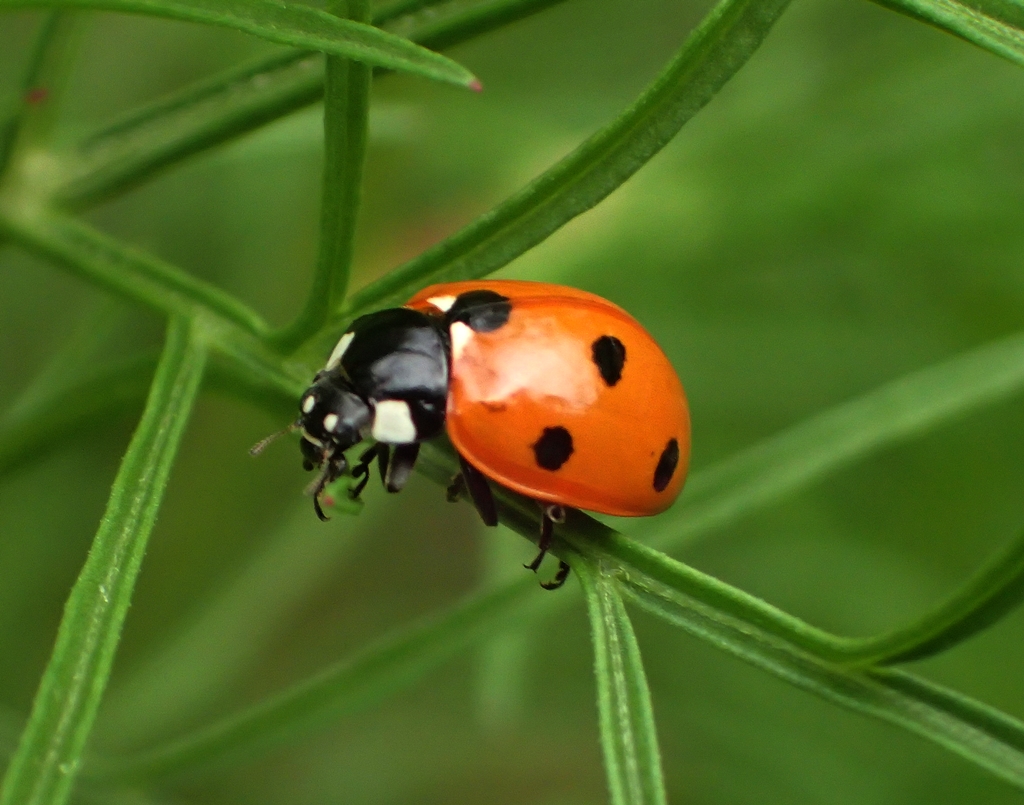
 7-spot Ladybird

 Araneus diadematus

 Megachile sp, a male, any identification ideas, gratefully received.

 Bombus pascuorum

 Honeybee

 Arion subfuscus

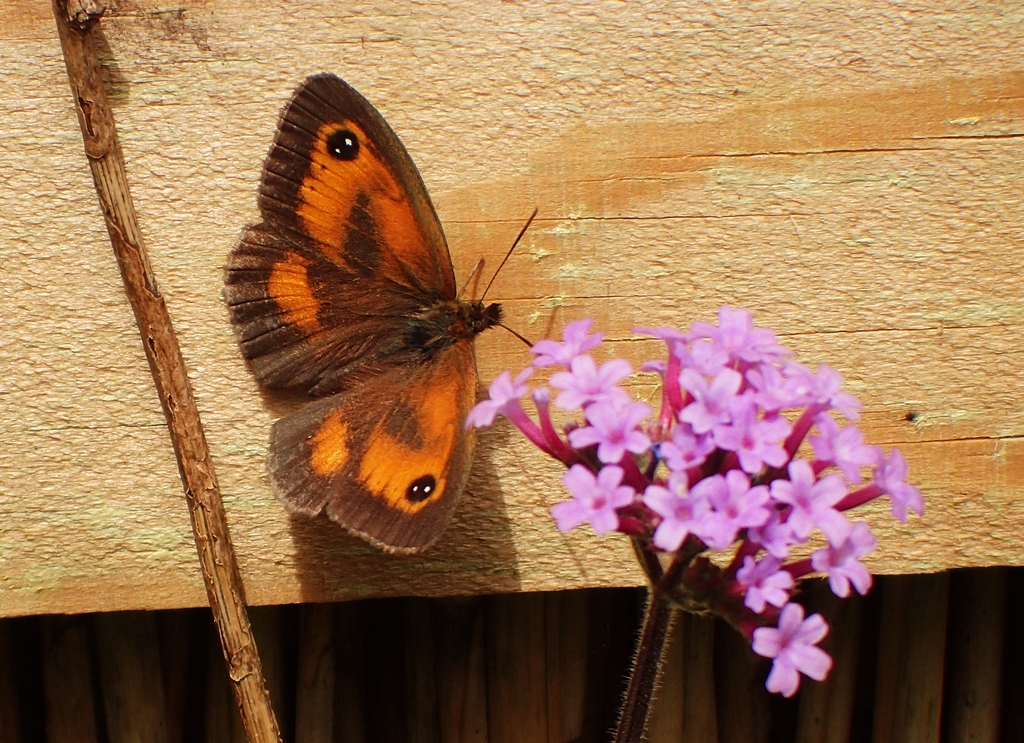
 Gatekeeper

 Holly Blue

 Common Darter, thanks Graeme for spotting the (not so) deliberate mistake, now corrected. Sympetrum striolatum

 Harlequin Ladybird

 Lucilia sericata

 Oniscus ascellus

Philoscia muscorum

Porcelio scaber (red form)

Pretty sure this is a Tree Slug Lehmannia marginata, need to check again as I'm not 100%.

Also saw Comma, a few hovers and other bits and pieces.

Earlham Cemetery just down the road is a brilliant place, in there I found:

 Cuckoo bee, Bombus vestalis I think (now a confirmed ID).

 Rhagonycha fulva

Bombus lucorum agg / terrestris

Hedychrum niemelai / nobile - can't get to species except with a specimen, they were only split in 2015 and prior to that niemelai was misidentified as nobile in the UK. It's a female and you need to see the third sternite well so I understand. A brilliant beast, neither species common, a parasite of Cerceris ruficornis, C. arenaria, C. rybyensis and C. quinquefasciata, it likes Golden Rod, lots of that in the cemetery.
 Eriothix rufomaculata, common enough.

As above, topside

Male Oedemera nobilis

As above, female.

 Propylea quattuordecimpunctata

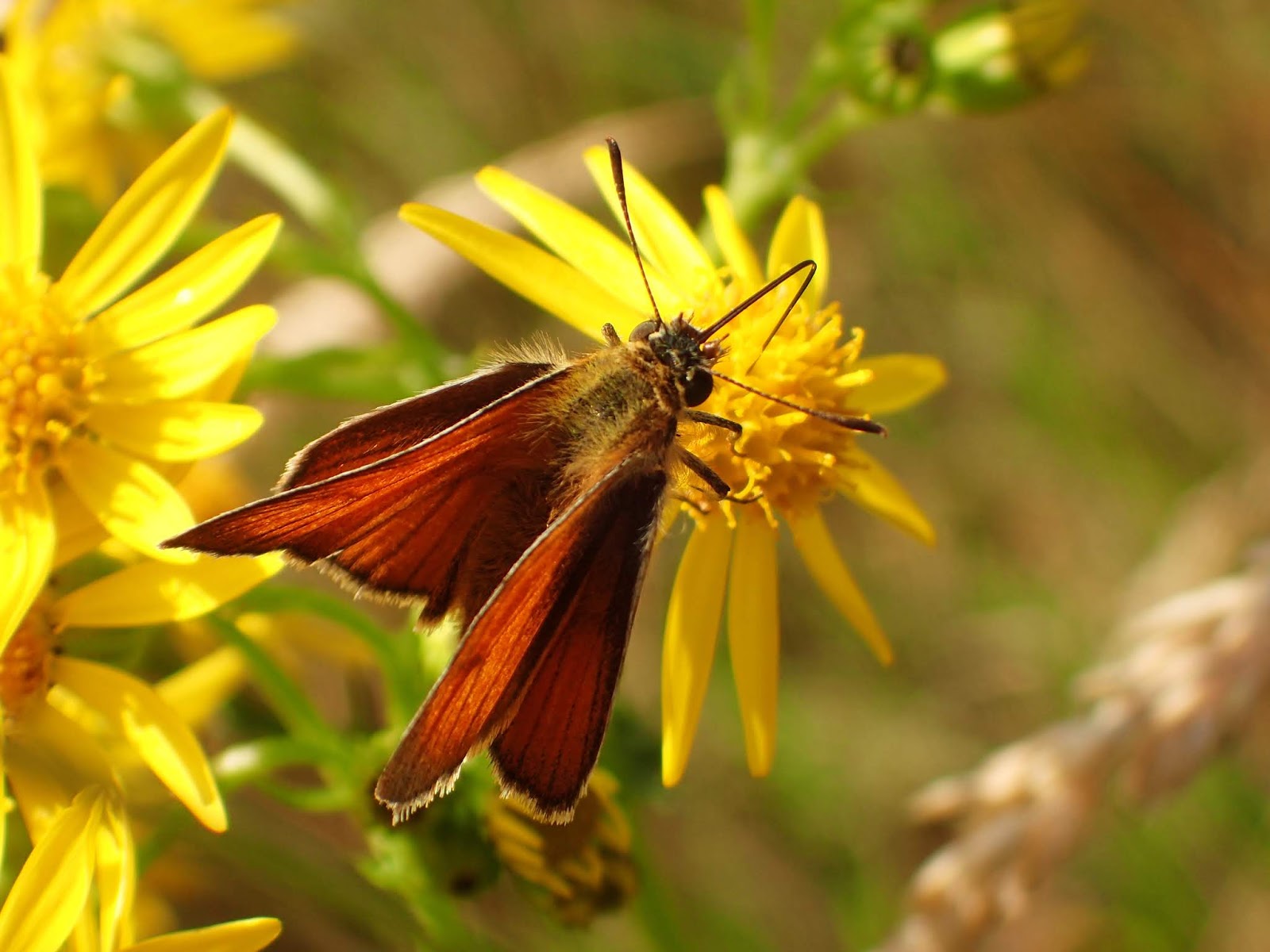
 Small Skipper

 Small Skipper

 Sphaerophoria probably scripta, a male.

 Volucella pellucens

More to come.... from Minsmere, Kelling Heath, Latitude and Titchwell.


Agapanthia villosoviridescens - a magnificent beastie, on Hemp-agrimony at Minsmere.

Ok time for a good bird, there were two Caspian Gulls at Minsmere. One of which was a show off and the other went and hid behind an island almost as soon as I found it. Photos digiscoped in low light, with my travel scope, so not bril'.


We saw Stone-curlew really well, lots of Marsh Harriers, Avocets and Black-tailed Godwits and a couple of Spotted Redshank. Louise saw a Bittern.


Small China-mark - flash and no flash.

The Small China-mark was squeezed out off top insect spot by the magnificent Agapanthia villosoviridescens, time for another picture of this beast and here's the NBN link with a bit of information about its biology and distribution (remembering the NBN is a bit out of date, most likely) https://species.nbnatlas.org/species/NHMSYS0020151160


Draft Ghost Ship was was very much enjoyed in nearby Southwold, with a fish and chip supper, Adnams beers are inextricably linked with Minsmere from many years past.